Malaria Hub
Dive into crucial malaria facts, prevention strategies, and ways to spot symptoms early—arming yourself for better health.
5/8/20245 min read
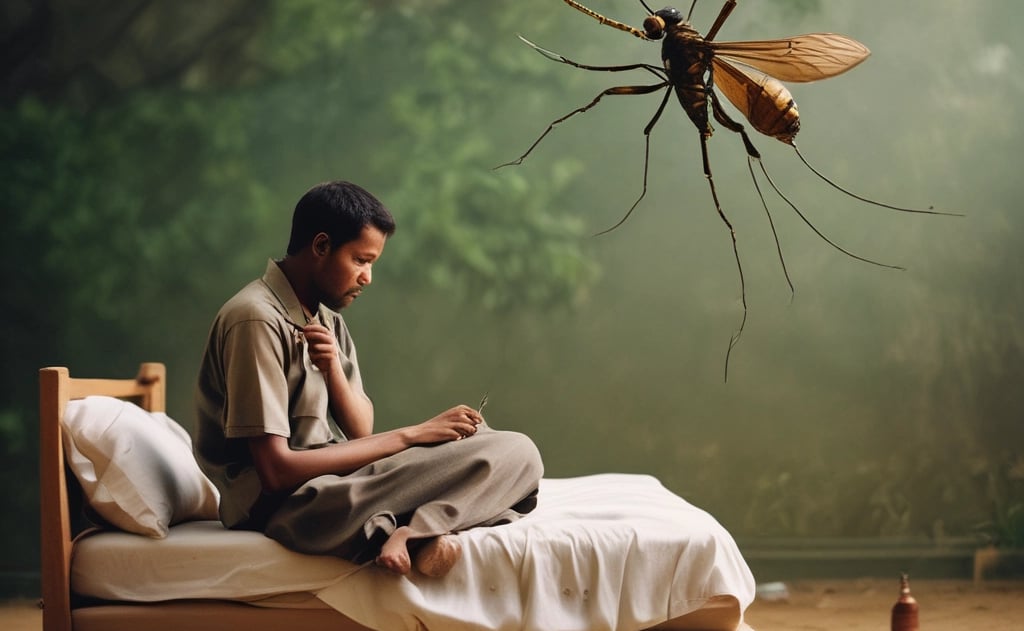
Malaria Hub: Simple Guide for Everyone
What is Malaria and Why It Matters
Malaria is a serious illness caused by parasites spread by mosquito bites. It makes people very sick with fever, chills, and can even cause death if not treated quickly.
In 2024, there were about 282 million cases and 610,000 deaths worldwide. Most happen in Africa, especially in young children and pregnant women. Malaria costs families and countries a lot of money in healthcare and lost work.2. Who Gets Malaria the Most
Young children under 5 years old (they get the sickest).
Pregnant women and their babies.
People living in poor or remote areas.
Travelers going to places where malaria is common.
3. How to Stop Mosquitoes from Spreading Malaria
The best ways to protect yourself and your family:
Sleep under mosquito nets (special long-lasting ones treated with safe insecticide).
Spray homes with insecticide (called Indoor Residual Spraying).
Remove standing water where mosquitoes breed.
Newer nets work even better against mosquitoes that are hard to kill.
4. Protecting Children and Pregnant Women
For pregnant women: Take special pills (IPTp) during pregnancy to prevent malaria – aim for at least 3 doses.
For young children in rainy seasons (like in the Sahel region): Give monthly preventive medicine (SMC) to kids aged 3–59 months.
New help: Malaria vaccines for children! Given with regular baby shots.
5. Malaria Vaccines – A Big New Tool
There are two safe vaccines recommended by WHO: RTS,S and R21.
They are given to children in countries where malaria is common.
By 2025, over 24 countries in Africa have started giving these vaccines to millions of kids.
The vaccines help reduce severe sickness and deaths a lot when used with nets and other protections.
6. Finding and Treating Malaria Quickly
If someone has fever, test right away with a simple Rapid Diagnostic Test (RDT).
Treat with effective medicines (like ACTs).
Community health workers can test and treat at home in remote areas.
For very sick people, give special injection and take to hospital.
7. Good News: Some Countries Are Malaria-Free
More and more places have stopped malaria completely.
In 2024–2025, countries like Egypt, Cabo Verde, Georgia, Suriname, and Timor-Leste became malaria-free.
Total now: 47 countries free of malaria!
8. Challenges We Face
Mosquitoes and parasites becoming resistant to insecticides and medicines.
Not enough money – we need more funding to buy nets, tests, and medicines.
Climate change making mosquitoes spread to new areas.
Wars and moving people make it harder.
9. What Communities Can Do
Use bed nets every night.
Teach kids and families about malaria.
Join community programs for spraying, nets, and vaccines.
Report fever cases quickly
10. Working Together for a Malaria-Free World
Everyone – governments, communities, and helpers worldwide – needs to keep fighting malaria. With vaccines, better nets, and quick treatment, we can save many lives!
50 Multiple Choice Questions (About malaria prevention – correct answers stated below)
Malaria is spread mainly by:
A) Dirty water
B) Mosquito bites
C) Coughing
D) Sharing food
Correct: BWho gets malaria the most?
A) Old people
B) Young children under 5
C) Athletes
D) Office workers
Correct: BThe best way to protect from mosquitoes at night is:
A) Wearing long clothes
B) Sleeping under a mosquito net
C) Eating garlic
D) Using fans
Correct: BPregnant women can prevent malaria by:
A) Taking special pills during pregnancy
B) Drinking more water
C) Eating sweets
D) Avoiding sun
Correct: ASMC (preventive medicine) is given to:
A) Adults only
B) Young children during rainy season
C) Pregnant men
D) Pets
Correct: BMalaria vaccines are now given to:
A) Children in many African countries
B) Only adults
C) Everyone over 60
D) No one
Correct: AIf you have fever in a malaria area, you should:
A) Wait and see
B) Get tested quickly
C) Drink tea only
D) Exercise
Correct: BMosquito nets should be used:
A) Only in winter
B) Every night
C) Only during day
D) Once a week
Correct: BIn 2024, most malaria cases were in:
A) Europe
B) Africa
C) Australia
D) Antarctica
Correct: BNew malaria vaccines help reduce:
A) Severe sickness in children
B) Hair loss
C) Toothache
D) Car accidents
Correct: ACommunity health workers can:
A) Test and treat malaria at home
B) Fly planes
C) Cook food
D) Drive cars only
Correct: ATo stop mosquitoes breeding, remove:
A) Standing water
B) Trees
C) Flowers
D) Birds
Correct: AMalaria deaths mostly happen to:
A) Young kids
B) Teenagers
C) Rich people
D) Tall people
Correct: AIndoor spraying kills:
A) Mosquitoes inside homes
B) Birds
C) Fish
D) Plants
Correct: AHow many countries are now malaria-free (around 2025)?
A) 5
B) 47
C) 100
D) 200
Correct: BMalaria can be prevented with:
A) Vaccines and nets
B) Only medicine
C) Only prayers
D) Only luck
Correct: ARapid tests for malaria are:
A) Simple and quick
B) Very expensive machines
C) Only in big hospitals
D) Not useful
Correct: AClimate change can make malaria:
A) Spread to new places
B) Disappear
C) Only affect animals
D) Sweeter
Correct: ASome countries recently became malaria-free, like:
A) Egypt and Cabo Verde
B) USA and Canada
C) Mars
D) Moon
Correct: AEveryone should help fight malaria by:
A) Using nets and reporting fevers
B) Ignoring it
C) Eating more
D) Sleeping less
Correct: AThe main treatment for malaria is:
A) Special combination medicines (ACTs)
B) Sugar water
C) Cold drinks
D) Hot soup
Correct: AMosquitoes that spread malaria bite mostly:
A) At night
B) Only morning
C) Never
D) During lunch
Correct: AFunding for malaria fight needs to:
A) Increase
B) Decrease
C) Stop
D) Stay secret
Correct: AMalaria is curable if:
A) Treated early
B) Ignored
C) Only with herbs
D) Waited long
Correct: ANew nets are better because they fight:
A) Resistant mosquitoes
B) Elephants
C) Rain
D) Wind
Correct: AChildren get malaria vaccine with:
A) Their regular baby shots
B) School lunch
C) Birthday cake
D) Toys
Correct: AIn high malaria areas, aim for mosquito net coverage of:
A) Almost everyone
B) Only rich people
C) No one
D) Only visitors
Correct: AMalaria affects poor countries most because of:
A) Lack of tools and money
B) Too much rain
C) Bad food
D) Loud music
Correct: ACommunity talks help:
A) Teach about malaria prevention
B) Sing songs only
C) Dance
D) Play games
Correct: AResistance means:
A) Medicines or sprays stop working well
B) People become stronger
C) Mosquitoes fly faster
D) Nets become heavier
Correct: AHigh burden countries focus on:
A) Many cases in few countries
B) Zero cases everywhere
C) Only cities
D) Only villages
Correct: ATesting neighbors after a case is called:
A) Good community help
B) Bad idea
C) Party
D) Holiday
Correct: AWHO recommends good tests that find:
A) Most malaria cases
B) Only big ones
C) None
D) Fake ones
Correct: AMoney from home governments for malaria is:
A) Important but often low
B) Too much
C) Not needed
D) Secret
Correct: AMalaria in hospitals can be reduced with:
A) Quick treatment
B) Long waits
C) No medicine
D) Darkness
Correct: ANew sprays use better chemicals like:
A) Ones that work longer
B) Old ones only
C) Water
D) Juice
Correct: AVaccines are added to:
A) Baby immunization programs
B) Adult only
C) Food
D) Drinks
Correct: ABites per person measure:
A) How much malaria spreads
B) Food eaten
C) Sleep time
D) Walks
Correct: AGlobal plan includes:
A) Prevention and treatment
B) Only one thing
C) Nothing
D) Games
Correct: AMany children get preventive medicine in:
A) Rainy seasons
B) Dry only
C) Never
D) Holidays
Correct: ATo stay malaria-free, prevent:
A) New cases coming back
B) Old cases
C) Rain
D) Sun
Correct: ATalking in communities is for:
A) Changing behavior to prevent malaria
B) Fun only
C) Eating
D) Sleeping
Correct: AThere is a gap in:
A) Money needed for malaria tools
B) Too much money
C) No need
D) Extra
Correct: AChecking districts for no malaria is:
A) Part of elimination
B) Not important
C) Only national
D) Village party
Correct: ANew baits attract and kill:
A) Adult mosquitoes
B) Babies
C) Fish
D) Birds
Correct: AWHO malaria report comes out:
A) Every year
B) Never
C) Monthly
D) Once ever
Correct: AIn low malaria areas, people have:
A) Less protection from past illness
B) Strong forever
C) None
D) Only kids
Correct: AGoal is no malaria in many countries by:
A) Soon
B) Never
C) Yesterday
D) Tomorrow only
Correct: APhone tools help with:
A) Reporting cases
B) Cooking
C) Driving
D) Flying
Correct: AThe fight against malaria needs:
A) Everyone working together
B) Only doctors
C) Only mosquitoes
D) No one
Correct: A
WinATrip
Explore our sleek website.
Contact
Newsletter
winatrip@gmail.com
© 2025. All rights reserved.